July Traffic Safety Tip of the Month
Let's talk summer heat!!
During periods of extreme heat, there are steps people can take to protect themselves and their loved ones.
Heat can be very taxing on the body and lead to heat-related illnesses or worsen existing health conditions. Everyone can be vulnerable to heat, but some more so than others. According to The Impacts Of Climate Change On Human Health In The United States: A Scientific Assessment, the following groups are particularly vulnerable to heat: check in with friends and relatives who fall in one of these populations, especially if they don’t have air conditioning.
- Young children and infants are particularly vulnerable to heat-related illness and death, as their bodies are less able to adapt to heat than are adults.
-
Older adults, particularly those who have pre-existing diseases, take certain medications, live alone, or have limited mobility, who are exposed to extreme heat can experience multiple adverse effects.
- People with chronic medical conditions are more likely to have a serious health problem during a heat wave than healthy people.
- Pregnant women are also at higher risk. Extreme heat events have been associated with adverse birth outcomes such as low birth weight, preterm birth, and infant mortality, as well as congenital cataracts.
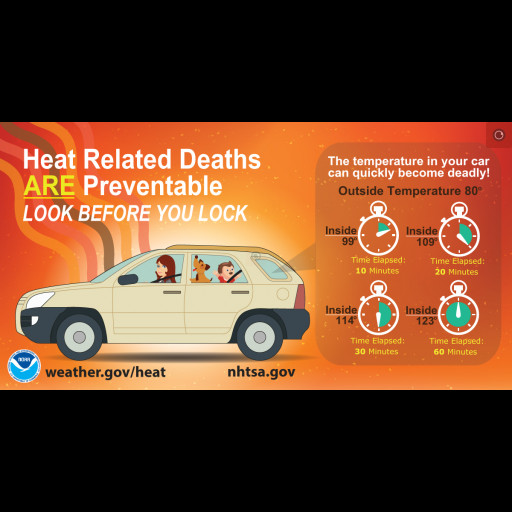
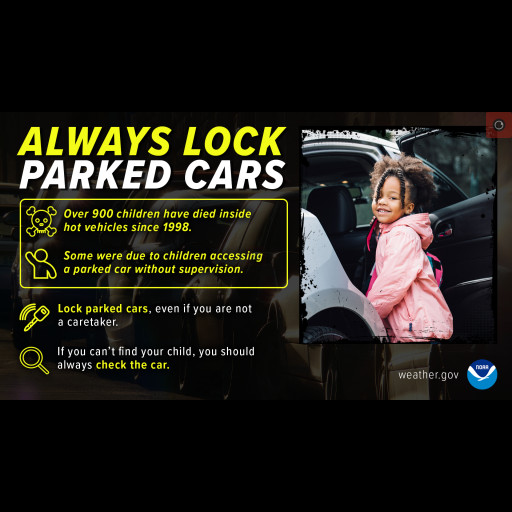
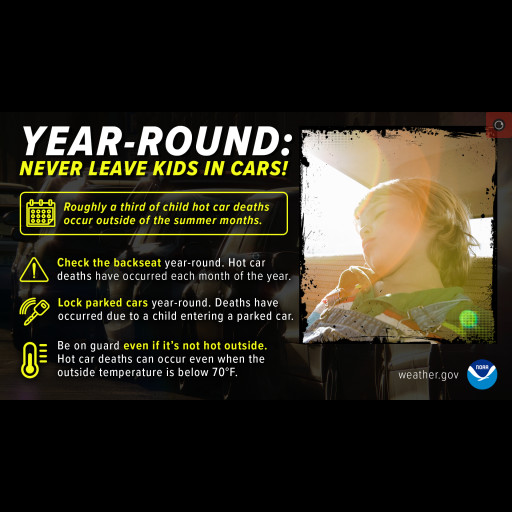
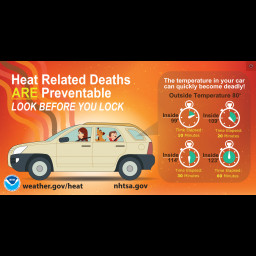
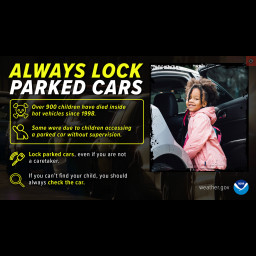
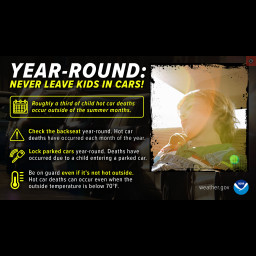
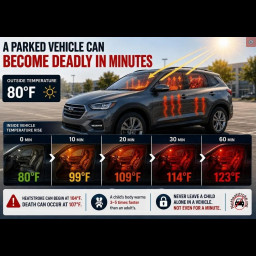
It is NEVER safe to leave a toddler, disabled person, or pet locked in a car. If you have a toddler in your household, lock your cars, even in your own driveway. Kids may play in cars or wander outside and get into a car, and can die in 10 minutes! Based on data from 1998 to 2022, an average of 38 childhood heatstroke fatalities occurs each year. Pediatric vehicular heatstroke deaths (PVHD) can occur year-round.
–Never leave children, disabled adults, or pets in parked vehicles!
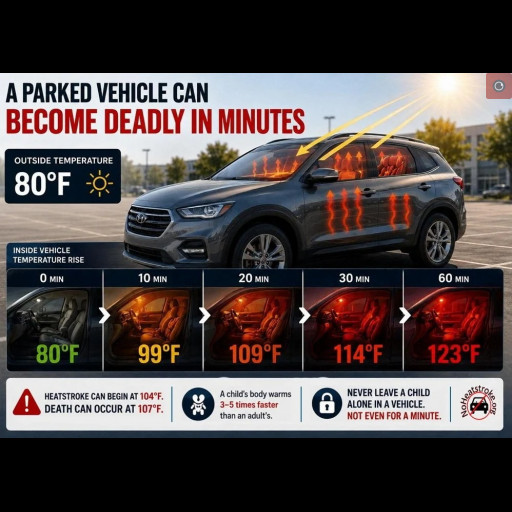
Each year, dozens of children and untold numbers of pets left in parked vehicles die from hyperthermia, which occurs when the body absorbs more heat than it can handle. Hyperthermia can occur even on a mild day with temperatures in the 70s. Studies have shown that the temperature inside a parked vehicle can rapidly rise to a dangerous level for children, pets, and even adults. Leaving the windows slightly open does not significantly decrease the heating rate. The younger the child, the more severe the effects because their bodies have not developed the ability to efficiently regulate their internal temperature.
–How fast can the sun heat a car?
The sun's shortwave radiation heats objects that it strikes. For example, a dark dashboard or seat can easily reach temperatures between 180 and 200°F. These objects (e.g., dashboard, steering wheel, child seat) heat the adjacent air by conduction and convection and also emit longwave radiation, which is very efficient at warming the air trapped inside a vehicle.
It’s important to make kids aware of the very real dangers of heat and to monitor them for signs of heat stress and other heat-related illnesses. Children, especially young children, lack the ability to regulate their body temperature in the same way as adults.
Here are some tips from the CDC:
- Never leave infants or children in a parked car, even if the windows are open.
- Dress infants and children in loose, lightweight, light-colored clothing.
- Make sure they’re drinking plenty of fluids. Stay away from really cold drinks or drinks with too much sugar.
- Schedule outdoor activities for cooler parts of the day, like morning and evening hours
Source: Weather.gov; NHTSA
Created Jul 8, 2026 @ 8:40 AM | Updated Jul 13, 2026 @ 2:09 PM